There are no items in your cart
Add More
Add More
| Item Details | Price | ||
|---|---|---|---|

There is a different kind of frustration that only Indian ecommerce founders will truly understand. It’s when your ads are running, traffic is coming in, notifications are popping, and for a brief moment, you feel like things are finally working for your ecommerce, until you check the conversion rate.
It shows something around 0.9 percent.
And suddenly, all that traffic feels like annoying guests who came to your wedding, ate the food, praised the decoration, and left without giving any gift…basically a useless visit. You keep refreshing the dashboard, thinking just in case it was a glitch, but it’s not.

You try to convince yourself that maybe it’s just a bad day, then it turns into a bad week, and then suddenly you’re questioning your targeting, creatives, landing pages, and maybe even your product choice.
But here’s the uncomfortable truth that you need to hear: Indian buyers simply don’t buy the way you expect them to. And unless your store is built around that behaviour, your conversion rate will keep testing your emotional stability.
Indian buyers need reassurance before commitment. They want clarity about returns, delivery timelines, testimonials, and so on. They want to feel that your brand will still exist after the payment is made, and you are not a fraud.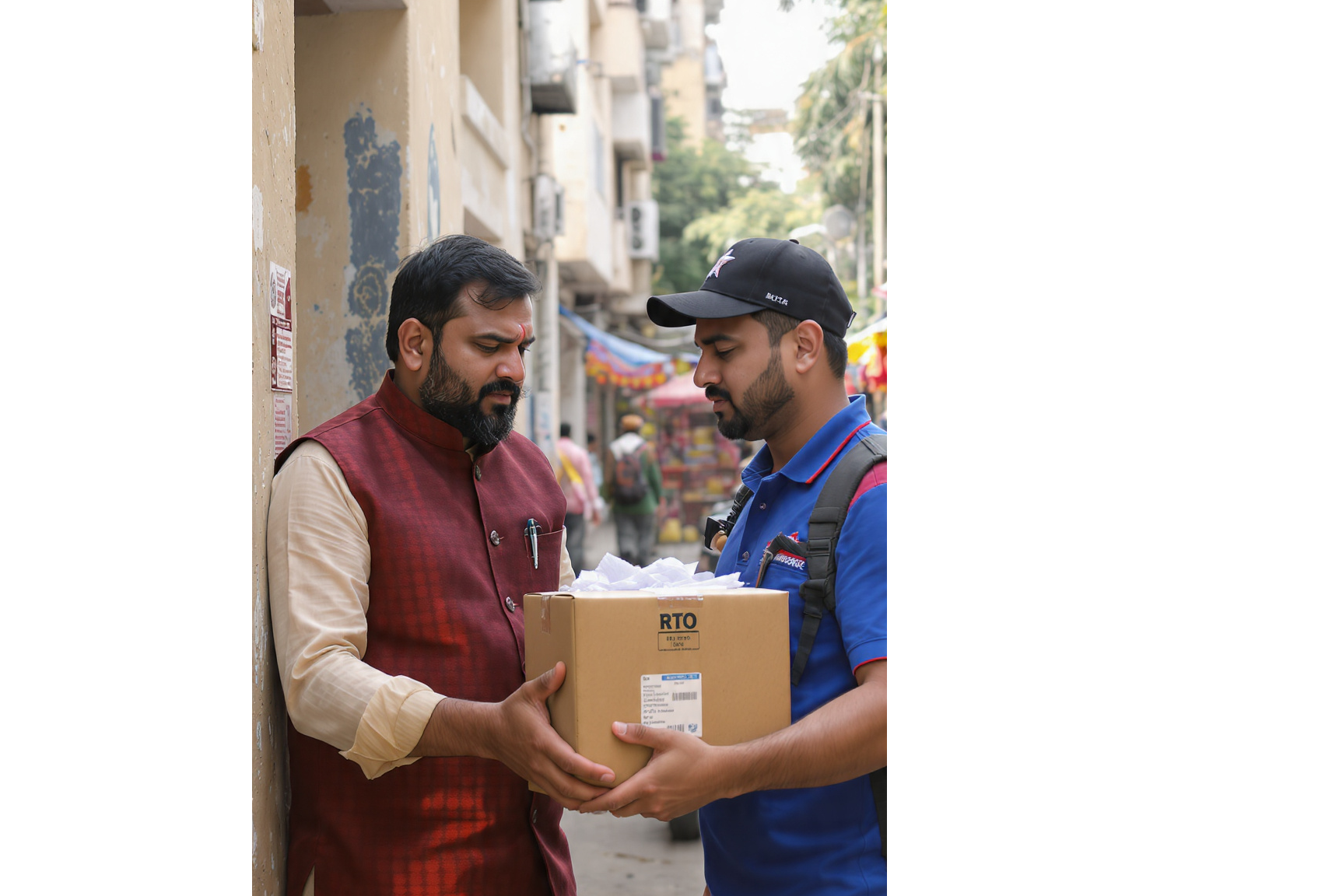
If these doubts are not addressed clearly and confidently on any ecommerce platforms, they quietly leave your platform, abandoning the product in the cart. And that silent exit is what reflects as a low conversion rate on your dashboard.
Many ecommerce owners assume that a good-looking website automatically builds credibility regarding their product. In reality, aesthetics without trust signals and clear messaging rarely convert well in India.
Indian customers are aware of fake stores, delayed shipments, low-quality products, and poor after-sales service. So when they land on your product page, they are subconsciously scanning for safety indicators like testimonials, real customer reviews, and an easy return policy.
They want to see genuine reviews, not generic fake testimonials with the same person showing in every review video and photo. They want visible policies regarding the product, not hidden links in the footer that never work at the end when you use it. They want to know that returns are possible and that customer support is accessible.
If your page feels incomplete or overly sales-driven, hesitation automatically increases in the buyers. Conversion in India is deeply linked to perceived safety. Your advertisement may create interest, but your website must create comfort. Without comfort, no amount of traffic will fix the drop in performance.
While I could dive deeper here, I’ve already covered -
Another reason conversion rates struggle in India is pricing communication. Indian customers are not necessarily unwilling to spend, no, that’s not the actual case.
But they are extremely sensitive to perceived value, and what they are getting in return for the price they are paying. If your product is priced at a premium level and your website or product fails to clearly justify that premium, doubt begins to build.
Customers start comparing alternatives in the back of their mind. They question whether the difference in price reflects a real difference in quality.
If your messaging focuses only on features without explaining the transformation or benefit, the price feels heavier for them. Premium pricing works when branding, storytelling, visuals, and positioning align strongly together.
If your product appears premium but your presentation feels average, the conversion rate drops. Conversion improves when value is communicated clearly, and objections are addressed before they arise. When customers understand why something costs in a higher range, what they are getting in that price point, and the quality and resistance of abandonment naturally reduces.
Structural and Technical Friction Quietly Reduce Sales:
Sometimes the issue is not psychological but also structural. Many Indian ecommerce websites suffer from slow loading speeds, cluttered layouts, excessive pop-ups, and complicated checkouts that hurt the visual aesthetics and create difficulty in focusing on what the customer actually wants.
Since most ecommerce traffic in India comes from mobile devices, that's why even a few seconds of delay can significantly increase bounce rates due to low attention span.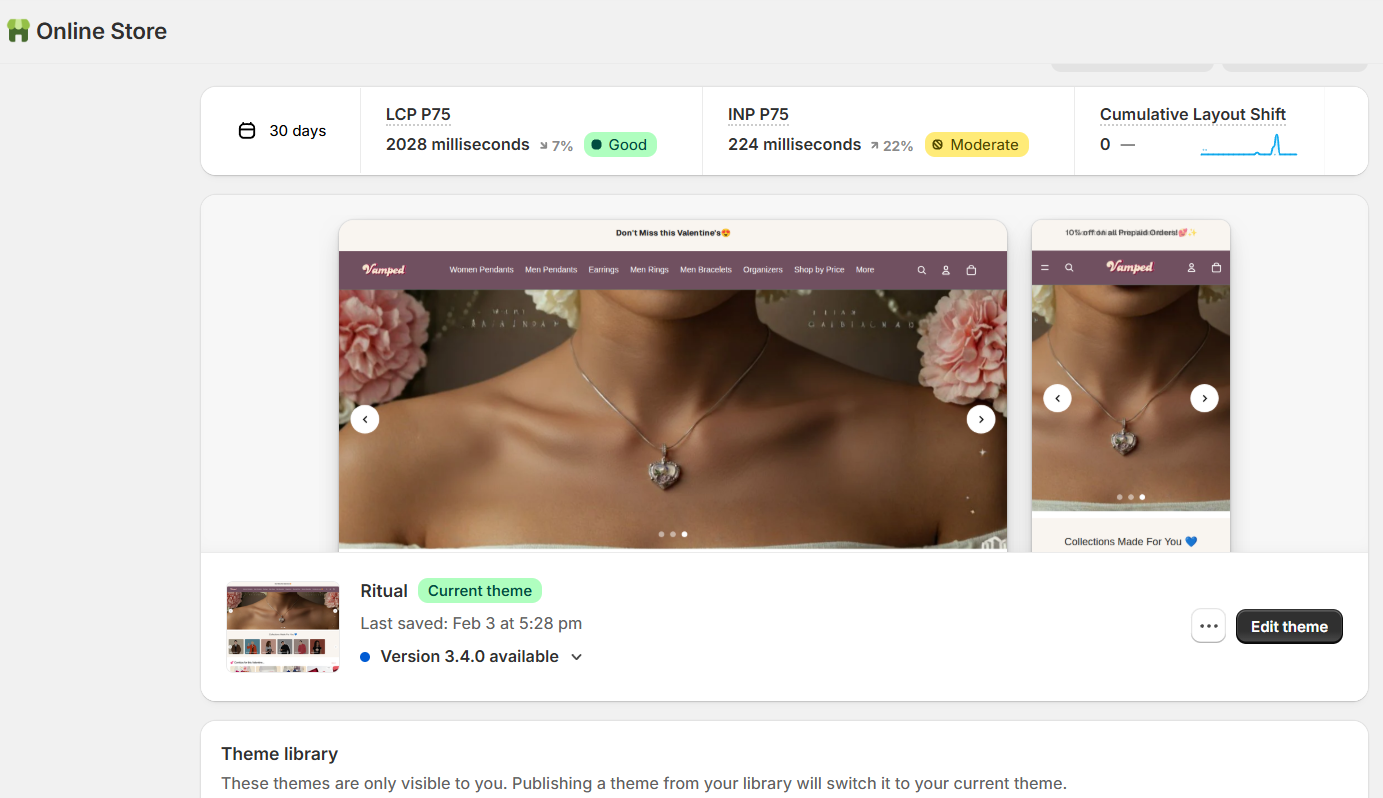 A product page should feel guided and intentional. It should introduce the problem, present the solution, provide proof, explain the value, and then make purchasing feel simple and safe.
When pages are overloaded with banners, distractions, and aggressive offers, clarity disappears. And when clarity disappears, so does confidence to buy products. Conversion rate often reflects how smoothly a customer can move from curiosity to commitment without any confusion.
Expectations Around Conversion Rates Are Often Unrealistic:
One more uncomfortable truth is that many brands expect unrealistic conversion rates from cold traffic. In India, especially for non-essential products, cold traffic low conversion rates are common. Higher rates typically come from retargeting audiences, repeat buyers, strong brand recall, or mature pixel data.
When ecommerce owners expect ROAS of 7-9 immediately from broad targeting, every normal performance metric feels like failure. This leads to unnecessary panic and constant changes that destabilize campaigns further.
Understanding realistic benchmarks helps shift focus from blame to improvement in your overall marketing and strategies. Instead of obsessing over ads alone, you begin examining buyer hesitation, website clarity, product positioning, and value communication.
Conclusion:
Low ecommerce conversion rate in India is not simply a traffic issue. It is a reflection of how confident your buyer feels at the final decision point. If trust signals are weak, conversion will automatically drop. If the value is unclear, conversion drops. If the structure is confusing, conversion drops. If expectations are unrealistic, frustration increases.
Overall, you need to understand that there are many points to work on to improve the sales and increase the conversion rate; working only on one thing wouldn't improve the poor structure of your ecommerce. Meta can bring visitors to your store, but only your website can convert them.
And in India, conversion is less about persuasion and more about reassurance. When a customer feels secure, understood, and confident, the purchase becomes easier for them.
If you want to improve your conversion rate, stop looking only at your ads and start looking at your store through the eyes of a cautious Indian buyer. The moment you begin optimising for confidence instead of just clicks, your entire ecommerce performance starts to change.
READ MORE: Top 10 Payment Gateways in India

DAMINI TRIPATHI
Damini Tripathi, rocking the digital marketing scene for 5 awesome years. Started from scratch, now running my digital marketing agency and creating cool content too. She has been one of the fastest-growing digital marketers on the internet. Damini has also scaled multiple clients from ZERO —> HERO.